
7 Sun Protection Mistakes That Increase Your Skin Cancer Risk

Most people believe they are protecting their skin.


In reality, small mistakes significantly increase long-term damage and cancer risk.

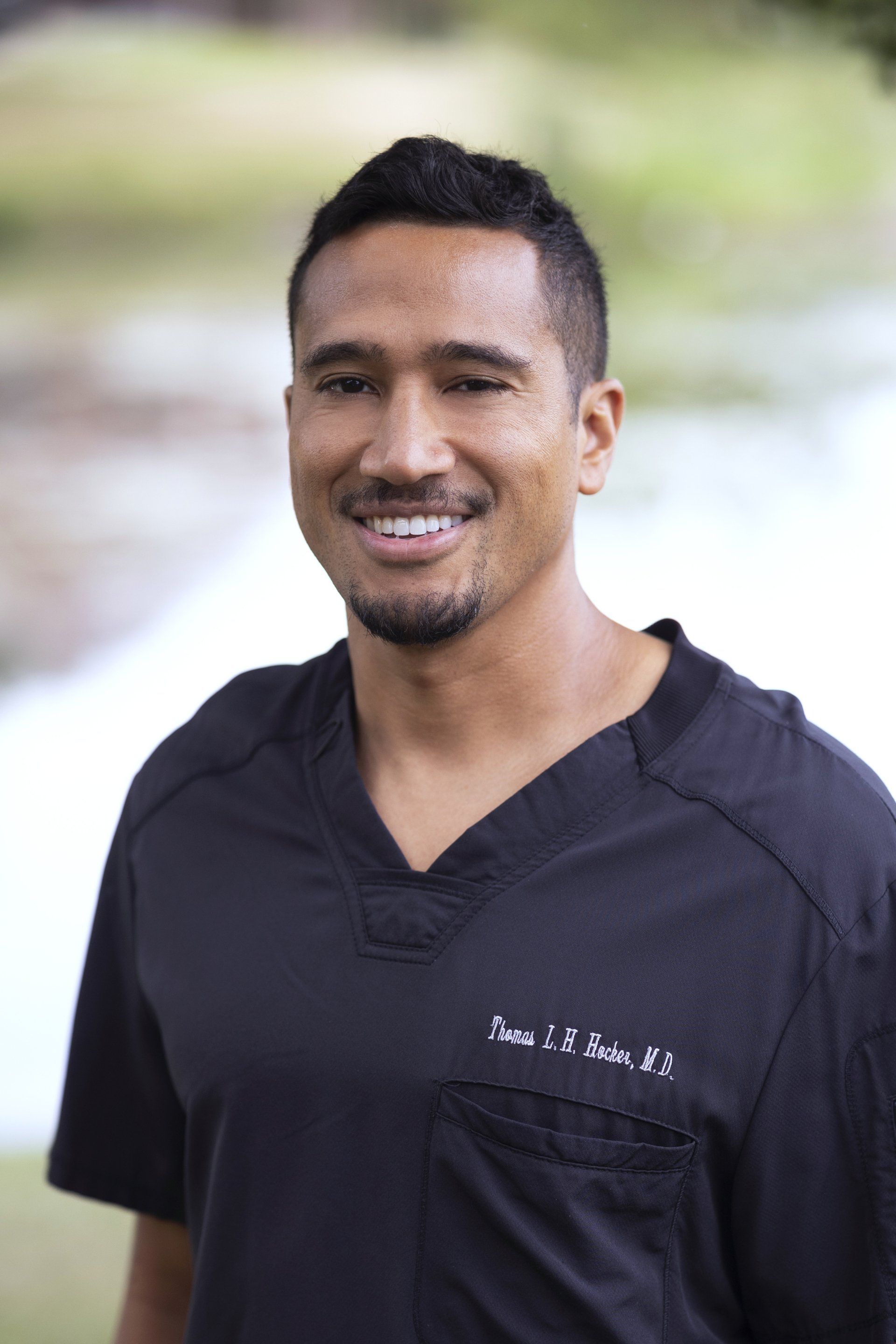
At Advanced Dermatologic Surgery, Dr. Thomas LH Hocker sees the consequences of these mistakes every day.

Here are the most common ones.


1. Applying Too Little Sunscreen


Most people use only 25 to 50 percent of the recommended amount.


  • Correct use
  • One ounce for the body
  • Nickel-sized amount for the face


Anything less reduces effectiveness dramatically.


2. Not Reapplying


Sunscreen breaks down after about two hours of UV exposure.


If you are outdoors, reapplication is not optional.


3. Relying on Sunscreen Alone


Even perfect sunscreen use does not provide complete protection.


You need additional layers like clothing and hats.


4. Wearing the Wrong Type of Clothing


Regular summer clothing often provides far less UV protection than expected.


UPF-rated clothing offers consistent and measurable protection.


5. Wearing a Baseball Cap Instead of a Wide Brim Hat


Baseball caps protect only the nose.


They leave the ears, cheeks, and neck exposed—areas where skin cancer frequently develops.


6. Ignoring Preventive Supplements


Nicotinamide has been shown to reduce the incidence of non-melanoma skin cancers in high-risk individuals.


Yet many patients have never heard of it.


7. Assuming Your Skin Tone Protects You


Skin cancer affects all skin types.


In darker skin tones, melanoma is often diagnosed later and at more advanced stages.


What These Mistakes Have in Common


They all come down to incomplete protection.


Small gaps repeated over years lead to cumulative damage.


What to Do Instead


  • Adopt a layered approach
  • Use mineral sunscreen daily
  • Wear UPF clothing when outdoors
  • Choose wide-brim hats
  • Consider supplements if high risk


Prevention is not about one product—it is about a system.


About the Author

Thomas Hocker, M.D. is a triple board-certified dermatologist, dermatopathologist, and Mohs micrographic surgeon at Advanced Dermatologic Surgery in Overland Park, Kansas. He graduated from Yale University, where he studied biology, and received a Churchill Fellowship to study organic chemistry at Cambridge University in England. He attended Harvard Medical School, where he conducted melanoma research under Dr. Hensin Tsao, a world leader in melanoma genetics.


Dr. Hocker completed his internship at Santa Clara Valley Medical Center (Stanford-affiliated), followed by dermatology residency at Mayo Clinic. He pursued subspecialty training with a dermatopathology fellowship at the University of Michigan—home to one of the world's largest melanoma specialty centers—where he developed expertise in rare tumors. He then completed a second fellowship in Mohs micrographic surgery and facial reconstruction at Mayo Clinic under Dr. Clark Otley, receiving specialized transplant dermatology training.


Dr. Hocker has performed over 23,000 Mohs surgery cases and serves as founding division chief of dermatologic surgery at the University of Missouri-Kansas City and University Health. He is an active member of the International Transplant Skin Cancer Collaborative (ITSCC) and will be a key lecturer at the 2026 American College of Mohs Surgery national meeting.


He has been recognized as a Castle Connolly Top Doctor (2024, 2025) and received the Ingram's Top Doctor Award in 2025.

Schedule a Consultation
A person holds a small dollop of white sunscreen on their palm, with out-of-focus legs and sandy surroundings.
By ADS Press Release April 13, 2026
Discover the best sun protection strategy from a high-volume skin cancer surgeon. Learn why sunscreen alone isn't enough and how to reduce your risk with a proven four-layer approach that includessunscreen clothing hats and supplements.
Dr. Thomas Hocker performing Mohs surgery.
By ADS Press Release March 19, 2026
High melanoma Mohs volume improves survival. Learn why surgeon experience matters, how outcomes compare, and what to ask before melanoma surgery.