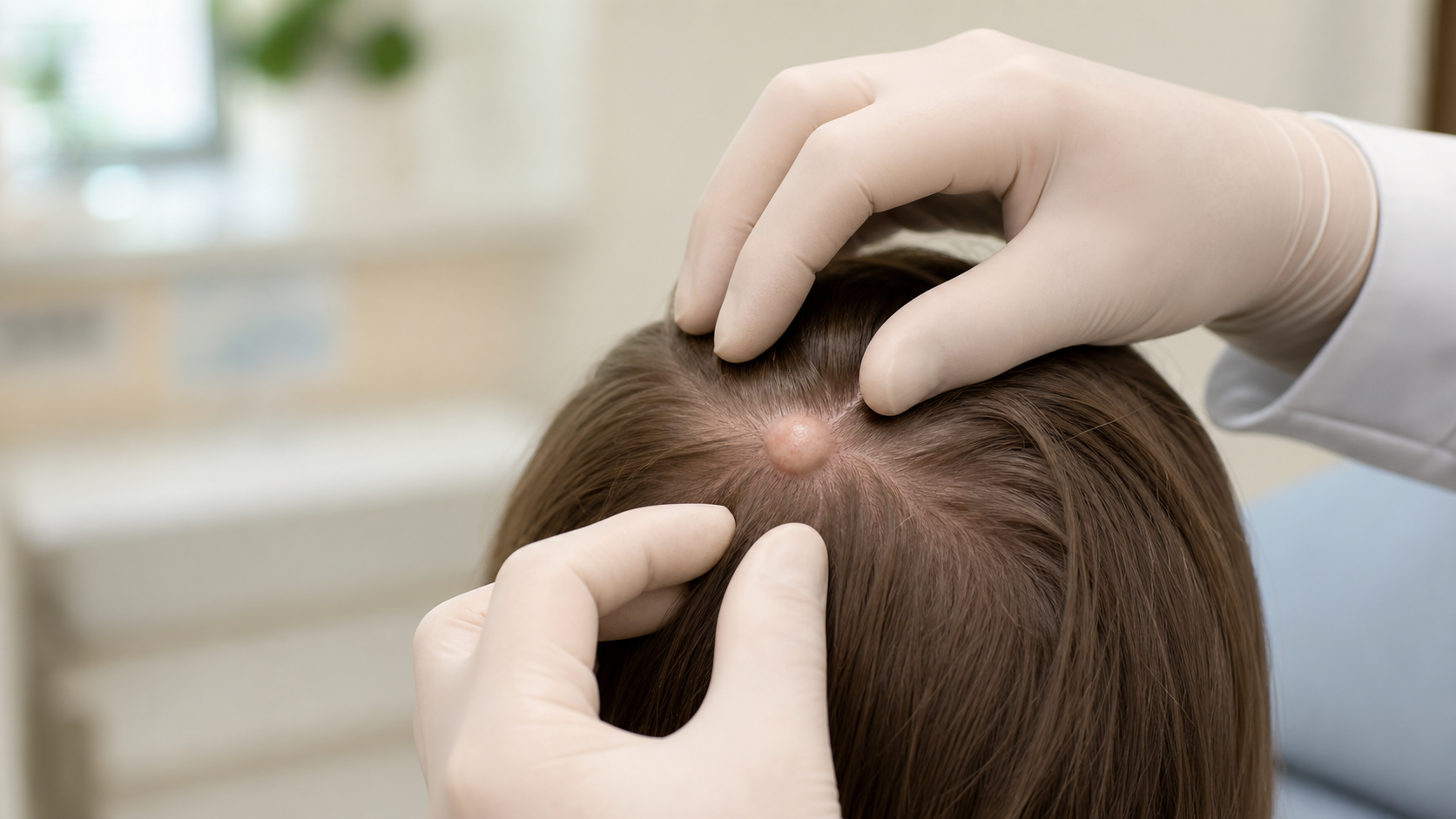
When your skin health requires more than topical treatment, surgical dermatology provides precise, evidence-based solutions designed to treat both medical and cosmetic skin concerns with accuracy and care.
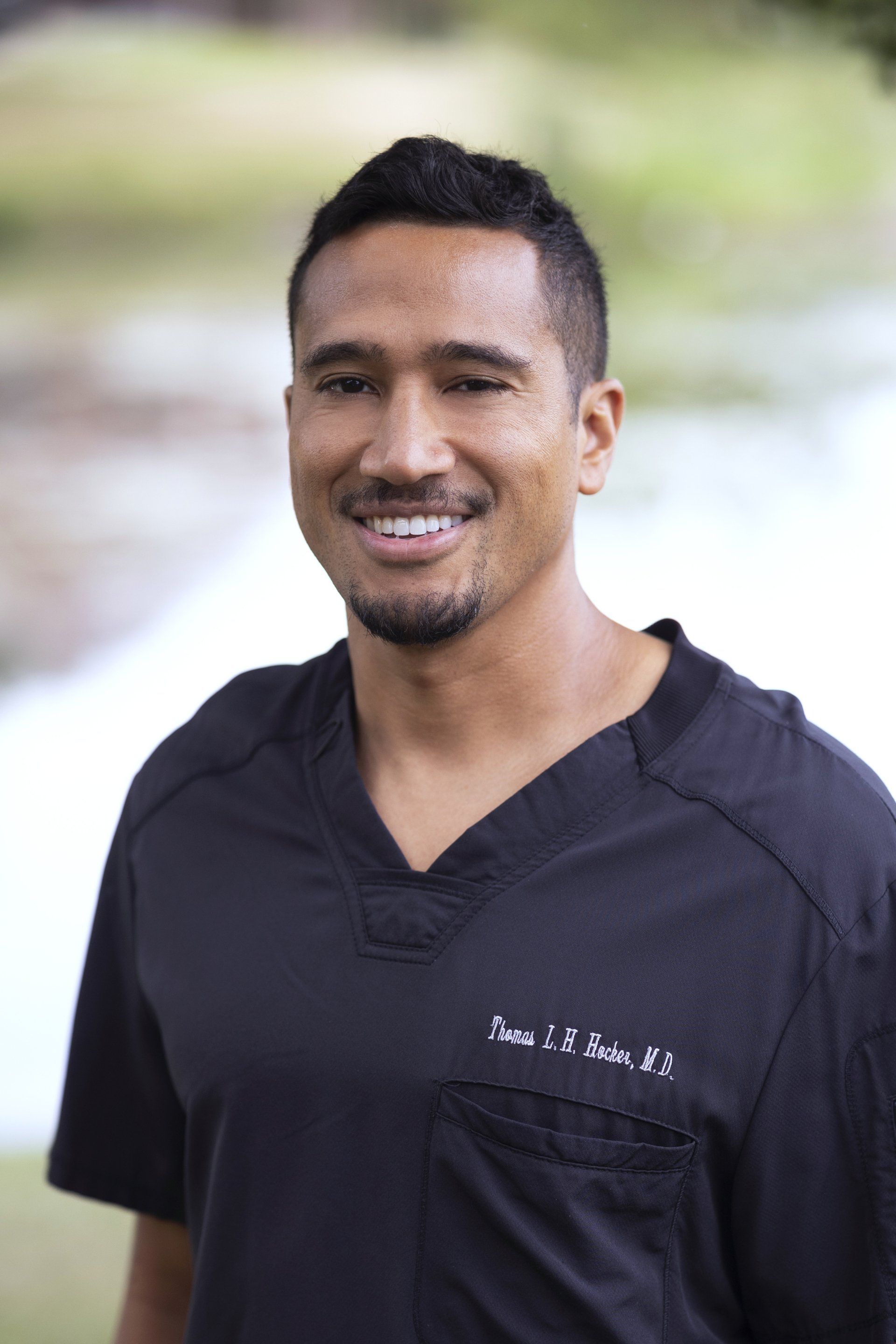
At Advanced Dermatologic Surgery, a national referral center for melanoma and high-risk skin cancer located in Overland Park, Kansas, patients receive specialized care from Dr. Thomas L. Hocker—a triple board-certified dermatologist, dermatopathologist, and Mohs micrographic and reconstructive surgeon.
This guide is designed to help patients and referring providers understand:
- What surgical dermatology is
- Which procedures may be recommended
- Who is an appropriate candidate
- What to expect before, during, and after treatment
Our goal is simple: deliver exceptional outcomes through precision, safety, and patient-centered care.
What Is Surgical Dermatology?
Surgical dermatology is a highly specialized field focused on diagnosing and treating skin conditions through procedural and surgical techniques. It extends beyond routine dermatologic care to address:
- Skin cancers, including melanoma, basal cell carcinoma, and squamous cell carcinoma
- Precancerous lesions such as actinic keratoses
- Benign growths including cysts, lipomas, and atypical moles
Unlike general surgery, dermatologic surgery is performed by physicians with advanced expertise in the structure, function, and healing properties of the skin. This specialization allows for:
- Greater surgical precision
- Tissue preservation
- Improved cosmetic outcomes
- Evidence-based decision-making on when surgery is appropriate
At Advanced Dermatologic Surgery, treatment decisions are guided by both clinical excellence and a commitment to individualized care.
Common Surgical Dermatology Procedures
1. Mohs Micrographic Surgery
Mohs surgery is the gold standard for treating basal cell carcinoma and squamous cell carcinoma. This technique involves removing cancer layer by layer with immediate microscopic evaluation until all cancer cells are eliminated.
Patients choose Mohs surgery because it offers:
- The highest cure rates (up to 99% for primary tumors)
- Maximum preservation of healthy tissue
- Real-time margin control
- Ideal outcomes for cosmetically sensitive areas such as the face, ears, and hands
2. Skin Excision
Skin excision is used to remove both malignant and benign lesions, including melanoma, cysts, and atypical moles. The lesion is removed along with a margin of surrounding tissue and closed with precise suturing techniques.
This approach allows for:
- Complete removal and diagnosis
- Effective treatment of deeper or more aggressive lesions
- Single-visit procedural care in most cases
3. Skin Biopsy
A biopsy is often the first step in diagnosing a skin condition. A small sample of skin is removed and analyzed to determine the nature of a lesion.
Types of biopsy include:
- Shave biopsy for superficial lesions
- Punch biopsy for deeper skin conditions
- Excisional biopsy for complete lesion removal
4. Reconstruction and Repair
Following skin cancer removal, reconstruction may be necessary to restore both function and appearance.
Advanced techniques include:
- Local flaps using adjacent skin
- Skin grafts from donor sites
- Precision linear closure
- Natural healing through second-intention when appropriate
Dr. Hocker’s combined expertise in surgery and pathology allows for comprehensive, single-episode care with optimal aesthetic outcomes.
5. Electrosurgery and Curettage
This minimally invasive procedure removes superficial lesions using a curette followed by controlled electrical energy to eliminate residual cells and achieve hemostasis.
It is often used for:
- Low-risk skin cancers
- Benign lesions
- Areas where rapid treatment is appropriate
6. Cryosurgery
Cryotherapy uses liquid nitrogen to destroy abnormal or precancerous skin cells.
Common indications include:
- Actinic keratoses
- Warts
- Superficial lesions
This treatment is quick, effective, and requires minimal downtime.
Who Should Consider Surgical Dermatology?
You may benefit from evaluation at Advanced Dermatologic Surgery if you have:
- A confirmed or suspected skin cancer diagnosis
- A changing or irregular mole
- Persistent or unusual skin growths
- A history of significant sun exposure or prior skin cancer
- Genetic risk factors for skin malignancy
Even when surgery is not required, expert evaluation ensures that the right treatment plan is chosen at the right time.
What to Expect During Your Visit
Consultation
Your visit begins with a comprehensive evaluation, including medical history, skin examination, and discussion of treatment options. Every recommendation is based on clinical evidence and individualized patient goals.
Procedure
Most procedures are performed under local anesthesia in a state-of-the-art surgical suite. Patients remain comfortable and awake throughout.
Mohs surgery may take a full day due to its staged approach, ensuring complete cancer removal.
Recovery
Patients receive detailed post-operative instructions to support optimal healing. Follow-up care includes:
- Suture removal (if applicable)
- Pathology review
- Long-term skin monitoring
Why Choose Advanced Dermatologic Surgery?
Patients and referring physicians trust Advanced Dermatologic Surgery for:
- Expertise of Dr. Thomas L. Hocker, one of the few physicians with triple board certification in dermatology, dermatopathology, and Mohs surgery
- A national reputation in melanoma and high-risk skin cancer treatment
- On-site pathology for immediate and accurate diagnosis
- Advanced reconstructive techniques for superior cosmetic outcomes
- A patient-first approach focused on education, transparency, and trust
Frequently Asked Questions