


Expert Treatment for High-Risk Squamous Cell Carcinoma
Expert Care for Complex and High-Risk Skin Cancer
Most skin squamous cell carcinomas (SCCs) can be successfully treated when diagnosed early. However, some tumors have characteristics that make them more likely to grow deeper, return after treatment, or spread to other parts of the body. These cancers are classified as high-risk cutaneous squamous cell carcinomas (cSCC).
At Advanced Dermatologic Surgery (ADS) in Overland Park, Kansas, Thomas L.H. Hocker, MD, a triple-board-certified dermatologist, dermatopathologist, and Mohs surgeon, provides specialized evaluation and surgical treatment.
Dr. Hocker combines advanced surgical training, expertise in skin cancer pathology, and reconstructive surgery experience to help patients with complex skin cancers throughout the Kansas City region and beyond.
What Makes Squamous Cell Carcinoma High-Risk?
A squamous cell carcinoma is considered high-risk when certain tumor characteristics or patient health factors increase the likelihood of recurrence, aggressive growth, or spread.
Several factors may increase the risk:
1. Recurrent Skin Cancer
A squamous cell carcinoma that returns after treatment may be harder to remove. Recurrent tumors can extend beyond their visible borders and may require specialized surgical techniques to evaluate the surrounding tissue.
2. Tumor Size and Depth
Larger tumors and cancers that grow deep into the skin or underlying tissue may carry a higher risk of complications.
Tumor size alone does not determine risk. Its location, depth, and microscopic characteristics are also important.
3. High-Risk Locations
Squamous cell carcinomas involving certain areas of the body may require additional attention, particularly those on the:
- Ears
- Lips
- Nose and central face
- Scalp and neck
- Hands and feet
These areas may raise greater concerns about tumor behavior, function, and reconstruction.
4. Aggressive Tumor Pathology
A biopsy may reveal cancer cells with characteristics associated with more aggressive behavior.
For example, poorly differentiated tumors, deep invasion, or cancer involving blood vessels or lymphatic channels can indicate increased risk.
Reviewing these microscopic findings helps guide treatment decisions.
5. Nerve Involvement
Some squamous cell carcinomas can grow around or into nerves, a finding known as perineural invasion.
Patients may experience unusual pain, numbness, tingling, or weakness near the affected area, although nerve involvement may also be present without symptoms.
Certain patterns of nerve involvement may require additional evaluation or treatment.
6. A Weakened Immune System
Patients with weakened immune systems may face a greater risk of developing aggressive squamous cell carcinomas.
This includes some:
- Organ transplant recipients
- Patients taking long-term immunosuppressive medications
- Patients with certain blood cancers or immune disorders
These patients may benefit from more careful treatment planning and ongoing skin cancer surveillance.
Important: Having one or more risk factors does not necessarily mean the cancer has spread. A specialist evaluates the complete clinical and pathology findings to determine the appropriate treatment.
At Advanced Dermatologic Surgery, we aim to remove the cancer thoroughly while preserving healthy tissue and protecting the patient’s appearance and function whenever possible.
Our approach combines specialized surgical expertise, microscopic tissue examination, and reconstructive techniques.
Mohs Micrographic Surgery
Mohs surgery is a precise surgical technique commonly used for many high-risk squamous cell carcinomas.
During Mohs surgery, the surgeon removes the visible cancer along with a thin layer of surrounding tissue. The surgeon processes and examines the removed tissue under a microscope for remaining cancer cells at the surgical margins.
If cancer cells remain, the surgeon removes additional tissue from the area where they were identified.
This process continues until the examined surgical margins are clear.
Benefits of Mohs surgery may include:
- Detailed examination of the surgical margins
- Preservation of as much healthy tissue as possible
- Effective treatment of many recurrent or high-risk tumors
- The ability to plan reconstruction after microscopic margin clearance
On-Site Pathology and
Margin Evaluation
Advanced Dermatologic Surgery has an on-site Mohs laboratory, allowing tissue to be processed and examined during surgery.
Dr. Hocker’s training in both dermatopathology and Mohs surgery provides experience in the surgical removal of skin cancers and the microscopic interpretation of skin tissue.
This coordinated approach helps the surgical team identify areas requiring additional removal while preserving surrounding healthy tissue.
For certain aggressive or unusual tumors, additional permanent pathology sections or other specialized testing may be appropriate.
After removing skin cancer and achieving clear surgical margins, the next step may be repairing the affected area.
Dr. Hocker has advanced training in reconstructive surgery and performs repairs ranging from straightforward closures to more complex reconstructions.
Depending on the size and location of the surgical wound, reconstruction may involve:
- Direct surgical closure
- Local tissue rearrangement or skin flaps
- Skin grafts
- More complex reconstructive technique
Many patients can undergo Mohs surgery and reconstruction during the same day.
ADS also operates an adjoining accredited ambulatory surgery center, providing a specialized setting for appropriate reconstructive procedures.
Radiation Oncology
Radiation therapy may be considered for selected patients with aggressive tumors, significant nerve involvement, or other features associated with an increased risk of recurrence.
It may also be appropriate when complete surgical removal is not feasible, or surgery is not the best treatment option.
Advanced Imaging
Additional imaging may be considered when there is concern for:
- Cancer involving deeper tissue or bone
- Tumor growth along larger nerves
- Enlarged or suspicious lymph nodes
- Extensive or locally advanced disease
Depending on the clinical findings, imaging may include CT, MRI, ultrasound, or other studies.
When High-Risk SCC Requires Additional Testing or Specialty Care
Not every squamous cell carcinoma requires imaging, radiation, or treatment from multiple specialists.
However, certain high-risk tumors may require further evaluation to determine whether cancer has extended beyond the original skin lesion.
Some advanced squamous cell carcinomas require evaluation by additional specialists, including medical oncologists, radiation oncologists, head and neck surgeons, or other surgical specialists.
For patients with unresectable, recurrent, or metastatic disease, the appropriate oncology team may consider systemic treatments such as immunotherapy.
At ADS, we base treatment recommendations on each patient’s clinical findings and pathology. When a cancer requires evaluation or treatment beyond dermatologic surgery, coordinated specialty care may be appropriate.
The specific referral process will depend on the patient’s medical needs.
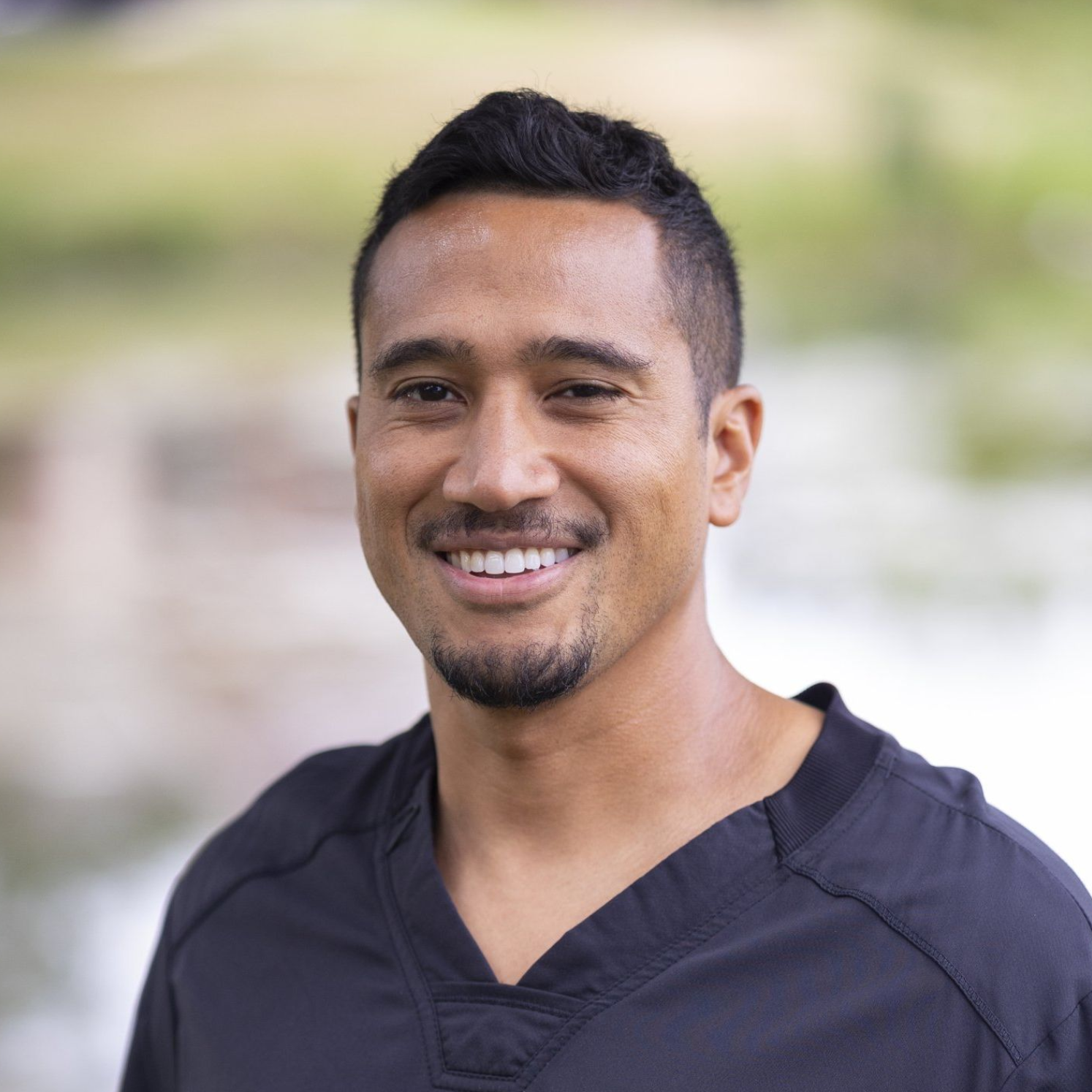
Specialized Experience:
Thomas L.H. Hocker, MD
Harvard Trained, Triple-Board-Certified
Patients with high-risk squamous cell carcinoma benefit from evaluation by a surgeon with experience treating complex and recurrent skin cancers.
Thomas L.H. Hocker, MD, is triple-board-certified by the American Board of Dermatology and specializes in dermatology, dermatopathology, and Mohs micrographic surgery.
His medical and surgical training includes:
- Harvard Medical School
- Dermatology residency at Mayo Clinic
- Dermatopathology fellowship at the University of Michigan
- Mohs micrographic and advanced reconstructive surgery fellowship at Mayo Clinic
Dr. Hocker has authored numerous peer-reviewed publications and has served as an invited lecturer on skin cancer and reconstructive surgery.
In addition to his work at Advanced Dermatologic Surgery, he serves as Surgical Director in the Department of Dermatology at UMKC/University Health.
His surgical training, microscopic pathology expertise, and reconstructive experience support an integrated approach to complex skin cancer treatment.
Frequently Asked Questions About High-Risk Squamous Cell Carcinoma
Is high-risk squamous cell carcinoma dangerous?
High-risk squamous cell carcinoma is more likely to recur, invade deeper, or spread than low-risk SCC. However, many high-risk cancers can still be successfully treated. Early evaluation and appropriate treatment are important.
Is Mohs surgery the best treatment for high-risk SCC?
Mohs surgery is recommended for many high-risk squamous cell carcinomas because it allows the surgeon to examine surgical margins while preserving healthy tissue. However, some tumors require other surgical approaches or additional treatments. The best option depends on the individual cancer.
Can squamous cell carcinoma spread to lymph nodes?
Yes. Although most skin SCCs do not spread, certain high-risk tumors can spread to nearby lymph nodes or other parts of the body. Your physician will evaluate whether additional lymph node examination or imaging is necessary.
Can squamous cell carcinoma return after Mohs surgery?
Yes. Mohs surgery provides excellent local tumor control for appropriately selected patients, but no treatment guarantees that a cancer will never return. Patients with high-risk SCC may require closer follow-up.
Are organ transplant patients at greater risk for aggressive SCC?
Yes. Organ transplant recipients taking immunosuppressive medications have an increased risk of developing cutaneous squamous cell carcinoma, including tumors with more aggressive behavior. Regular skin examinations and prompt evaluation of suspicious lesions are especially important.
Will I require reconstructive surgery following the removal of high risk SCC?
Not in all cases. It will depend on the size, depth and position of the surgical wound. Some wounds can be closed directly, some will require a flap, some will require a graft and some will require a more complex reconstruction. Many of the ADS patients will be able to have their reconstruction on the same day.
When should I see a specialist for squamous cell carcinoma?
If your SCC has come back after treatment, if it's in a high risk site, if it has aggressive pathology, if it's growing quite quickly or if it's occurring in an immunosuppressed patient then you'd be well advised to have it evaluated by an experienced skin cancer surgeon. Any new onset of numbness or weakness and any concerning lymph node enlargement should be evaluated promptly.
Request an Evaluation for High-Risk Squamous Cell Carcinoma
If you've been diagnosed with squamous cell carcinoma, have a history of recurring skin cancer or have been referred for specialist Mohs surgery then Advanced Dermatologic Surgery can help you evaluate your treatment options.
Our team serves patients throughout the Kansas City metropolitan area and accepts referrals for specialized skin cancer surgery.
Patients with biopsy-confirmed skin cancer or a referral for surgery should use the Skin Cancer Surgery option on our scheduling page. Patients who need evaluation of a new or changing skin lesion can use the general dermatology scheduling option.
Medical information is provided for educational purposes and is not a substitute for an individualized medical evaluation. Treatment recommendations depend on each patient’s diagnosis, pathology, medical history, and clinical findings.
Medical References
American Academy of Dermatology Association. Guidelines of care for the management of cutaneous squamous cell carcinoma.
Kassamali B, et al. Consensus Guidelines for Staging and Surveillance Imaging in Cutaneous Squamous Cell Carcinoma. JAMA Dermatology. 2026.