

Advanced Dermatologic Surgery
Why I Usually Treat One Mohs Surgery Site at a Time
For many patients, one Mohs site per surgery day is the cleaner plan; selected same-day treatment can make sense when anatomy, reconstruction, travel, or privacy truly justify it.
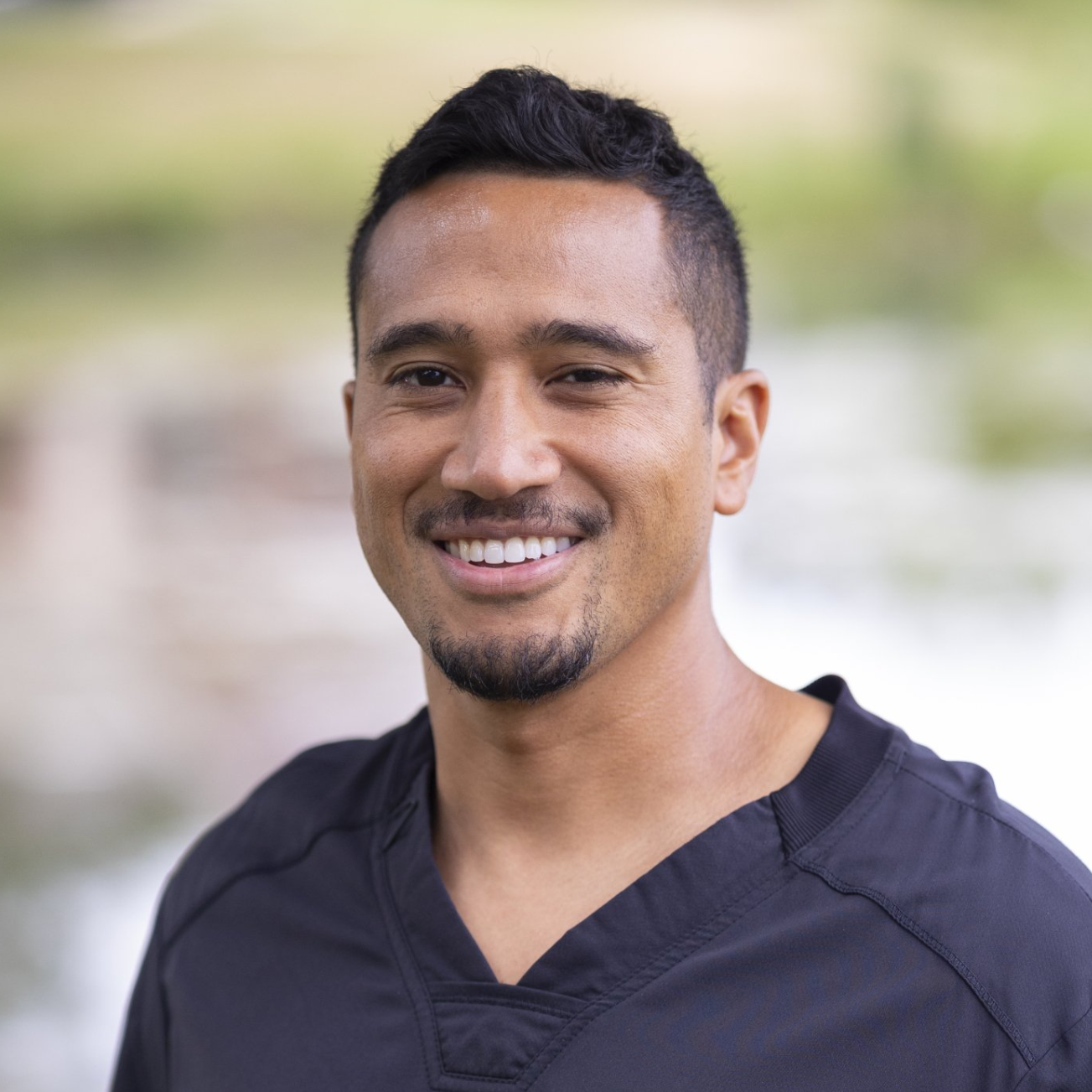
About Dr. Hocker: Harvard and Mayo Clinic trained. Triple board-certified in dermatology, dermatopathology, and Mohs micrographic surgery. Founder of Advanced Dermatologic Surgery in Overland Park, Kansas, where patients travel from Kansas City, the Midwest, both coasts, and internationally for complex and rare skin cancer surgery, advanced reconstructive plastic surgery, and advanced tissue diagnostics when clinically indicated.

Practical Summary
Patients ask me this all the time: "Can we just knock them all out in one day?" I understand why. Fewer trips. Fewer days off work. Less disruption.
But Mohs surgery is not like removing three identical stitches from a shirt. Each cancer has its own margin problem. Each wound has its own repair. Each site adds time, anesthetic, bleeding control, dressing complexity, and recovery burden.
The right surgical plan is not the one that removes the most lesions in the fewest calendar days. The right plan is the one that gives a controlled, cleanly planned, predictable result.
| Decision point | One site per day | Multiple sites same day |
|---|---|---|
| Visit length | More predictable | Can stretch quickly |
| Reconstruction | One focused repair | Repairs may compete |
| Wound care | One routine | Multiple routines |
| Patient fatigue | Lower | Higher |
| Usual fit | Usual default | Selected cases |
Why does the math get harder with each Mohs site?
Mohs surgery is precise, but it is not fixed-time surgery. A single tumor may clear in one stage, or it may need two, three, or more. When two or three tumors are treated on the same day, the chance that at least one site needs another layer rises quickly.
A multicenter study by Rivera et al. found that 56% of tumors cleared in one Mohs stage 1 .
Chance all treated sites clear in one stage.
Modeled chance both sites clear in one stage.
Modeled chance all three sites clear in one stage.
Modeled from Rivera et al.'s 56% one-stage clearance rate; assumes independent tumor behavior. Actual odds vary by tumor type, location, recurrence, surgeon, and patient factors.
| Sites treated | Modeled all clear | At least one needs more |
|---|---|---|
| 1 site | 56.0% | 44.0% |
| 2 sites | 31.4% | 68.6% |
| 3 sites | 17.6% | 82.4% |
That table is the whole lesson. With one tumor, there is a better-than-coin-flip chance of clearing in one stage. With three tumors, this simple model estimates an 82.4% chance that at least one site needs another layer.
Rivera et al. found that primary tumors averaged 2.25 hours, while recurrent tumors averaged 3.03 hours 1 . Alam et al. found mean stage counts of 1.92 for basal cell carcinoma and 1.66 for squamous cell carcinoma across 20 Mohs surgeons 2 .
So a three-site day is not just "one appointment instead of three." It can become a half-day or longer surgical day.
Stage math is why one site feels simple and three sites can turn into a marathon.
In Rivera's multicenter Mohs dataset, 56% of tumors cleared in one stage. When that is applied to multiple tumors, the odds of a simple day fall fast 1 .
Study Details and Patient Takeaway Study Details
- Technical point: Each tumor has its own probability of requiring an additional stage. What that means: combining tumors makes the day less predictable.
- Clinical use: This does not ban same-day multiple-site surgery. What that means: it explains why convenience should not be the only planning variable.
Why does longer surgery matter?
Longer surgery is not just inconvenient. It can change the risk profile. The REGESMOHS nationwide cohort of 5,017 Mohs patients identified duration of surgery as an independent risk factor for bleeding complications.
That matters because multiple sites can stretch the day in ways no one can fully predict before the first stage is processed 3 .
Blood thinners add another layer. Staging creates more separate surgery days. Combining sites creates one longer bleeding-risk window. The right answer depends on medication, tumor sites, expected repair, and why the patient takes the medication.
At Advanced Dermatologic Surgery, patients generally continue prescribed blood thinners unless the prescribing physician, cardiologist, or primary care clinician directs otherwise. A national survey found that therapeutic anticoagulants are rarely held, while practices vary more for preventive aspirin, NSAIDs, and supplements with anticoagulant effects 4 .
The point is not to scare patients. The point is to plan honestly. A shorter, more focused procedure often gives everyone more control.
Longer Mohs days deserve respect because time itself can affect bleeding risk.
The REGESMOHS cohort included 5,017 Mohs patients and identified duration of surgery as an independent bleeding-risk factor 3 .
Study Details and Patient Takeaway Study Details
- Technical point: Longer procedures were associated with bleeding complications. What that means: treating several sites can change the day from routine to exhausting.
- Planning point: Medication decisions should be individualized. What that means: patients should not stop prescribed blood thinners on their own.
Why do more wounds make recovery harder?
More sites mean more wounds, more dressings, more body positions, and more chances for wound-care mistakes. Mohs infection rates are usually low, but multiple simultaneous wounds make recovery more complicated.
The data are reassuring, but not zero-risk. In a 20,821-case multicenter study, Alam et al. found a very low overall adverse-event rate, but infection was the most common adverse event, accounting for 61% of adverse events 5 .
Schlager et al. found that local flaps carried 3.26 times the surgical-site infection risk and skin grafts carried 2.95 times the risk compared with simpler repairs 6 . Below-the-knee wounds deserve special respect. Patel et al. reported lower-extremity infection rates of 8.3% to 11.1% in a retrospective review 7 .
Chen et al. found that Mohs patients generally follow wound care well, with an average adherence score of 7.4 out of 8, but nonadherence was linked to feeling overwhelmed and wound-care discomfort 8 .
Now imagine a facial wound and a lower-leg wound on the same day. One is cosmetically sensitive. The other may require leg elevation, reduced activity, and careful swelling control. That is a lot to ask from a patient.
Why does reconstruction favor focus?
Reconstruction often decides the plan. When two skin cancers are close together, especially on the face, repairing one defect can change the tissue available for the next defect. One focused reconstruction often protects scar quality and surgical options.
Facial tissue is not unlimited. A flap for one defect can change tension lines, blood supply, tissue movement, and the options available for a nearby repair.
This does not mean reconstruction should be delayed casually. A large 2025 observational database study of facial Mohs reconstruction found that immediate reconstruction after a cleared Mohs defect was associated with lower wound dehiscence and lower revision rates compared with delayed reconstruction 9 .
The lesson is not "delay every repair." The lesson is to give each cleared defect the focused reconstruction plan it deserves.
Does local anesthetic have a limit?
Yes. Local anesthetic is very safe in Mohs surgery, but it has a ceiling. When several sites each need multiple stages and repeated injections, the cumulative dose becomes part of the planning.
AAD guidelines recommend a maximum dose of 7.0 mg/kg of lidocaine with epinephrine, with a practical ceiling of about 50 mL of 1% lidocaine, or 500 mg, over several hours for multistage procedures 10 .
The Mohs literature is reassuring. Alam et al. found serum lidocaine levels during Mohs surgery stayed far below toxic thresholds, even with volumes up to 48 mL 11 . Patrinely et al. reviewed 563 patients receiving more than 30 mL of lidocaine and found same-day complications in 1.4% 12 .
Those studies support the safety of local anesthesia. They do not mean planning can be ignored. One site per day gives the patient a fresh dose calculation and safety check each time.
When do I consider treating multiple sites the same day?
Same-day treatment of multiple sites may warrant consideration when there is a specific surgical reason, not just a scheduling reason. The decision should be individualized.
| Situation | Why it may fit | Planning caution |
|---|---|---|
| Adjacent tumors | One shared repair may be cleaner | Do not let repairs compete |
| Same nerve block | One anesthetic field may cover both | Total dose still matters |
| Major travel burden | Fewer trips may protect the patient | A long day may still be too much |
| Paired lower-leg wounds | One restriction period may help | Leg wounds heal slowly |
These are exceptions, not the default. The reason needs to be better than "it is more convenient."
Does this apply to standard excisions too?
Often, yes. Standard excision is more predictable than Mohs because there is no same-day microscopic stage processing, but multiple excisions still create multiple wounds, more anesthetic, more closure planning, and more wound-care instructions.
Standard excision is well established for appropriately selected basal cell carcinomas and low-risk cutaneous squamous cell carcinomas 13, 14 .
But the same practical questions apply: Are the wounds in different body regions? Will the repairs compete for nearby tissue? Will the patient have too many wound-care routines? Will a lower-leg wound make recovery harder? Will doing less today create a cleaner plan?
Sometimes less is more. That principle applies to Mohs surgery, standard excision, and any dermatologic surgery plan where the recovery burden matters as much as the schedule.
How does ADS approach multiple Mohs surgery sites?
Advanced Dermatologic Surgery generally favors one carefully planned surgery site at a time, while considering multi-site treatment when anatomy, reconstruction, travel, privacy, wound care, or patient-specific logistics justify a combined plan.
Dr. Hocker is a triple board-certified dermatologist, dermatopathologist, and Mohs micrographic surgeon at Advanced Dermatologic Surgery, a national referral center in Overland Park, Kansas for melanoma and high-risk skin cancer, advanced reconstructive plastic surgery, and advanced tissue diagnostics.
Dr. Hocker's triple board certification allows ADS to integrate surgical removal, refined reconstruction, and advanced laboratory studies on patients' tissue when clinically indicated.
For patients with more than one skin cancer, the goal is not simply to do more in one day. The goal is to choose the sequence that keeps cancer clearance first while protecting reconstruction, comfort, wound care, privacy, and the patient's real life.
Have more than one skin cancer to treat?
Bring the biopsy reports, photos, medication list, and your real-world constraints. The right plan depends on the tumor, the site, the repair, and the recovery, not just the calendar.
Advanced Dermatologic Surgery is located at 6901 W 121st Street, Overland Park, KS 66209, serving Kansas City, Leawood, Olathe, Lenexa, Prairie Village, and patients who travel for complex dermatologic surgery.
Schedule an evaluationFrequently Asked Questions
Can I have two Mohs surgeries on the same day?
Sometimes. Two Mohs surgery sites can be treated on the same day in selected cases. For many patients, one site per day is cleaner because it keeps the visit shorter, the repair more focused, and the wound care simpler.
Does staging mean my skin cancer is more dangerous?
No. Staging multiple Mohs sites across separate days usually reflects planning around time, reconstruction, wound care, patient comfort, and scar quality. It does not automatically mean the cancer itself is more dangerous.
Why not just get everything over with?
Because getting everything over with can turn into a longer day, more wounds, more dressings, more anesthetic, and a harder recovery. A staged plan can feel slower on the calendar but cleaner for the patient.
Will I need to stop blood thinners before Mohs?
At ADS, patients generally continue prescribed blood thinners unless the prescribing physician, cardiologist, or primary care clinician directs otherwise. Do not stop blood thinners, aspirin, NSAIDs, fish oil, or supplements on your own.
What if my skin cancers are close together?
Close tumors are one reason same-day treatment may be considered. If two defects can be cleared and repaired with one integrated reconstruction, combining them may be reasonable. If one repair will limit the next, staging is usually cleaner.
Does this same principle apply to standard excisions?
Often, yes. Standard excision is more predictable than Mohs, but multiple excisions still mean multiple wounds, more anesthetic, more closures, and more wound-care instructions. The same less-is-more planning principle often applies.
Where can I schedule Mohs surgery in Kansas City?
Advanced Dermatologic Surgery is located at 6901 W 121st Street, Overland Park, KS 66209 and serves the Kansas City metro, including Leawood, Olathe, Lenexa, and Prairie Village. Call (913) 661-1755 or request an appointment online.
Bottom Line
When I stage Mohs surgeries across separate days, I am not being inefficient. I am choosing the plan that keeps cancer clearance first while protecting reconstruction, wound care, and recovery.
One site. One focused day. One clean result.
About the Author
References
- Rivera AE, Webb JM, Cleaver LJ. The Webb and Rivera (WAR) score: a preoperative Mohs surgery assessment tool. Arch Dermatol. 2012;148(2):206-210. PMID: 22351820. DOI: 10.1001/archdermatol.2011.1352. PubMed. DOI.
- Alam M, Berg D, Bhatia A, et al. Association between number of stages in Mohs micrographic surgery and surgeon-, patient-, and tumor-specific features. Dermatol Surg. 2010;36(12):1915-1920. PMID: 21040123. DOI: 10.1111/j.1524-4725.2010.01758.x. PubMed. DOI.
- Ruiz-Salas V, Sanmartin-Jimenez O, Garces JR, et al. Complications associated with Mohs micrographic surgery: data from the nationwide prospective cohort REGESMOHS. Dermatology. 2022;238(2):320-328. PMID: 34380138. DOI: 10.1159/000517010. PubMed. DOI.
- Erickson SP, Schneider SL, Cohen JL, Alam M, Council ML. Perioperative practices in dermatologic surgery. Dermatol Surg. 2022;48(9):924-926. PMID: 35862644. DOI: 10.1097/DSS.0000000000003530. PubMed. DOI.
- Alam M, Ibrahim O, Nodzenski M, et al. Adverse events associated with Mohs micrographic surgery: multicenter prospective cohort study of 20,821 cases at 23 centers. JAMA Dermatol. 2013;149(12):1378-1385. PMID: 24080866. DOI: 10.1001/jamadermatol.2013.6255. PubMed. DOI.
- Schlager JG, Hartmann D, Ruiz San Jose V, et al. Procedure-related risk factors for surgical site infection in dermatologic surgery. Dermatol Surg. 2022;48(10):1046-1050. PMID: 35862641. DOI: 10.1097/DSS.0000000000003546. PubMed. DOI.
- Patel JR, Gimenez MC, Shamloul N, Brown MD, Smith FL. Retrospective review of the infection rate of lower extremities treated with Mohs micrographic surgery with and without prophylactic antibiotics. Dermatol Surg. 2025. PMID: 40260893. DOI: 10.1097/DSS.0000000000004652. PubMed. DOI.
- Chen R, Krueger S, Flahive J, Mahmoud BH. Wound care adherence in Mohs micrographic surgery: a prospective cohort study. Dermatol Surg. 2023;49(10):921-925. PMID: 37506091. DOI: 10.1097/DSS.0000000000003889. PubMed. DOI.
- Garg N, Vaile JR, Amin D, Xu V, McCann A, Kumar A, Urdang Z, Krein H, Heffelfinger R. Evaluating the effects of timing of reconstruction of facial Mohs defects for nonmelanoma skin cancer on complications using data from a global aggregate health care network. Facial Plast Surg Aesthet Med. 2025;27:344-349. PMID: 39929141. DOI: 10.1089/fpsam.2024.0215. PubMed. DOI.
- Kouba DJ, LoPiccolo MC, Alam M, et al. Guidelines for the use of local anesthesia in office-based dermatologic surgery. J Am Acad Dermatol. 2016;74(6):1201-1219. PMID: 26951939. DOI: 10.1016/j.jaad.2016.01.022. PubMed. DOI.
- Alam M, Ricci D, Havey J, et al. Safety of peak serum lidocaine concentration after Mohs micrographic surgery: a prospective cohort study. J Am Acad Dermatol. 2010;63(1):87-92. PMID: 20462662. DOI: 10.1016/j.jaad.2009.08.046. PubMed. DOI.
- Patrinely JR, Darragh C, Frank N, et al. Risk of adverse events due to high volumes of local anesthesia during Mohs micrographic surgery. Arch Dermatol Res. 2021;313(8):679-684. PMID: 33125528. DOI: 10.1007/s00403-020-02155-1. PubMed. DOI.
- Bichakjian CK, Armstrong A, Baum C, et al. Guidelines of care for the management of basal cell carcinoma. J Am Acad Dermatol. 2018;78(3):540-559. PMID: 29331385. DOI: 10.1016/j.jaad.2017.10.006. PubMed. DOI.
- Kim JYS, Kozlow JH, Mittal B, et al. Guidelines of care for the management of cutaneous squamous cell carcinoma. J Am Acad Dermatol. 2018;78(3):560-578. PMID: 29331386. DOI: 10.1016/j.jaad.2017.10.007. PubMed. DOI.