The Short Answer
If you've had an organ transplant, your risk of developing skin cancer—especially squamous cell carcinoma—is
up to 65x higher than the general population. This isn't a typo. It's one of the most dramatic cancer risk increases in all of medicine. Yet, many transplant recipients don't hear about it until they're sitting in a dermatologist's office with their first skin cancer.
The same anti-rejection medications keeping your organ alive are also suppressing the immune system that would normally destroy abnormal skin cells before they become cancerous.
The good news: when caught early, these cancers are highly curable. With the right specialist and a tailored surveillance plan, you can stay ahead of them.
If you've had a transplant, you need regular skin checks with a dermatologist who understands transplant skin cancer—ideally every 3-6 months, not just once a year.
Key Takeaways
- Your risk is real and substantial.
Transplant recipients develop squamous cell carcinoma at 65–250 times the rate of the general population—making skin cancer the most common malignancy after transplant.
- The ratio flips.
In most people, basal cell carcinoma outnumbers squamous cell carcinoma about 4:1. In transplant patients, that reverses to 1:2 or 1:3—and squamous cell is the more dangerous of the two. Risk varies dramatically by organ. Heart and lung recipients face the highest risk (~200×), followed by kidney (~120×), then liver (~30×). The more immunosuppression required, the greater the skin cancer burden. Lifetime risk approaches certainty for many.
70–80% of fair-skinned transplant recipients will develop at least one skin cancer within 20 years.
- Mohs surgery
is the gold standard for high-risk tumors.
Mohs achieves local recurrence rates of approximately 3%, compared to 8–20% with standard excision—critical for patients who may need dozens of surgeries over a lifetime.
- Not all "prevention" strategies
work in transplant patients.
Large randomized trials have shown that nicotinamide (Vitamin B3) provides no benefit for transplant recipients, despite helping the general population.
- Specialized screening saves lives.
Transitioning from annual skin checks to 3–6-month surveillance with a transplant-experienced dermatologist can mean the difference between removing a small spot and treating metastatic disease.
What You'll Learn in This Article
By the end of this article, you'll understand:
- How much your skin cancer risk increases after transplant—and why
- Which organs and medicationscarry the greatest danger
- Why squamous cell carcinomabecomes your primary threat
- How Mohs surgery and field therapies fit into a long-term management strategy
- What national guidelines actually recommend for transplant recipients
- The exact steps you should take next to protect yourself
You're a Transplant Recipient Reading This...
First, take a breath.
Learning about this risk can feel overwhelming—especially if you're years post-transplant and no one ever mentioned it. You might be thinking
"Why didn't my transplant team tell me this earlier?"
"Have I already missed something?"
Here's what I want you to know: awareness is the first step, and it is never too late to start proper surveillance. The fact that you're reading this means you're already taking your health seriously.
The decisions in front of you are actually straightforward:
Find a dermatologist who understands transplant skin cancer. Not every dermatologist has training in this subspecialty. Look for someone familiar with
ITSCC (International Transplant Skin Cancer Collaborative) guidelines and high-risk patient management.
Get on a screening schedule that matches your risk. For many transplant recipients—especially fair-skinned patients and thoracic (heart/lung) recipients—this means every 3–6 months, not once a year.
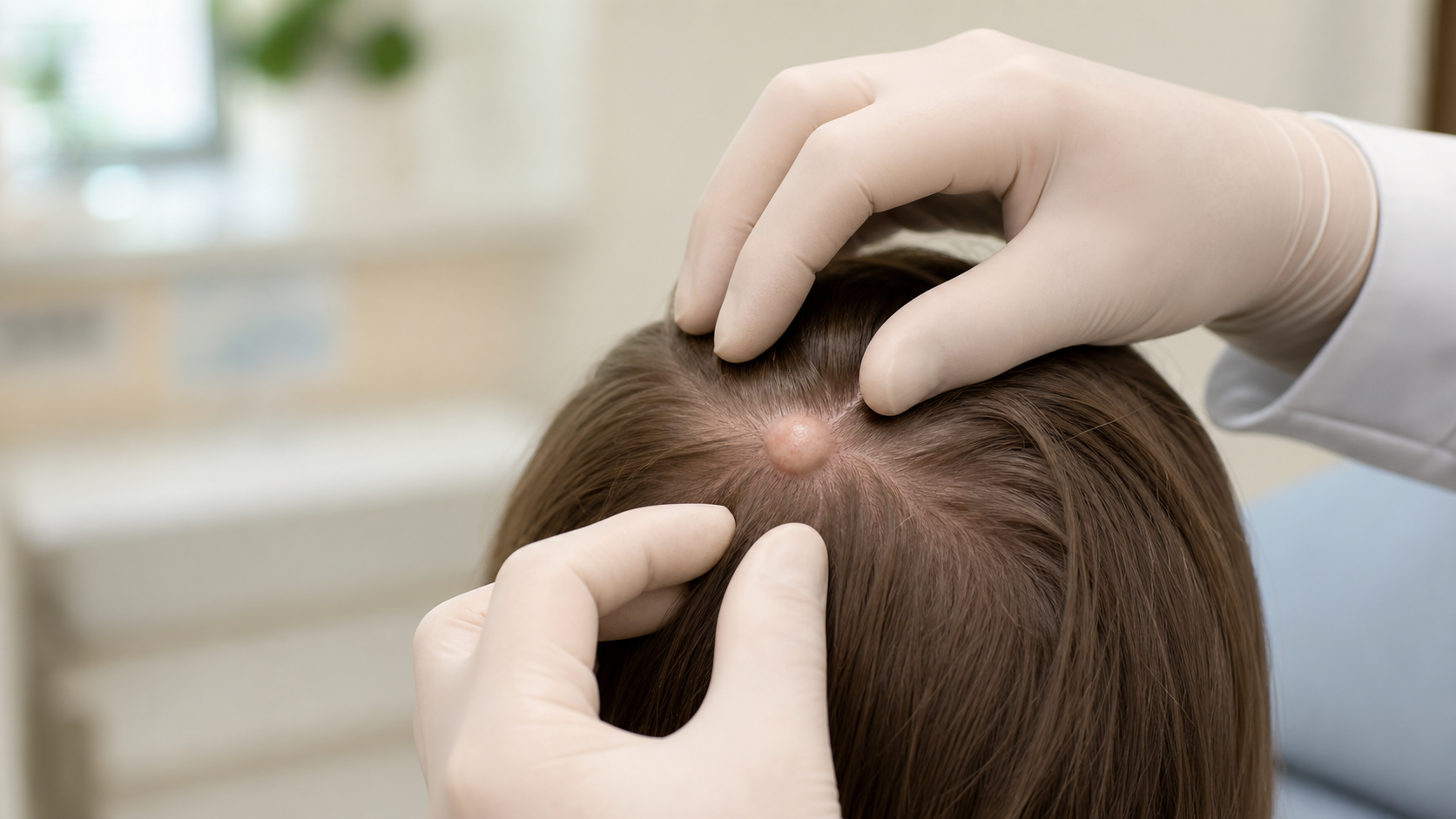
Learn to recognize warning signs. You see your skin every day. A spot that's growing, bleeding, crusting, or not healing after a few weeks deserves prompt attention.
Don't panic about every bump—but don't ignore persistent changes either. Part of my job is teaching you which spots are "noise" and which are signals we act on immediately.
The path forward is manageable. It just requires the right team and the right approach.
What I See in My Practice
I trained at
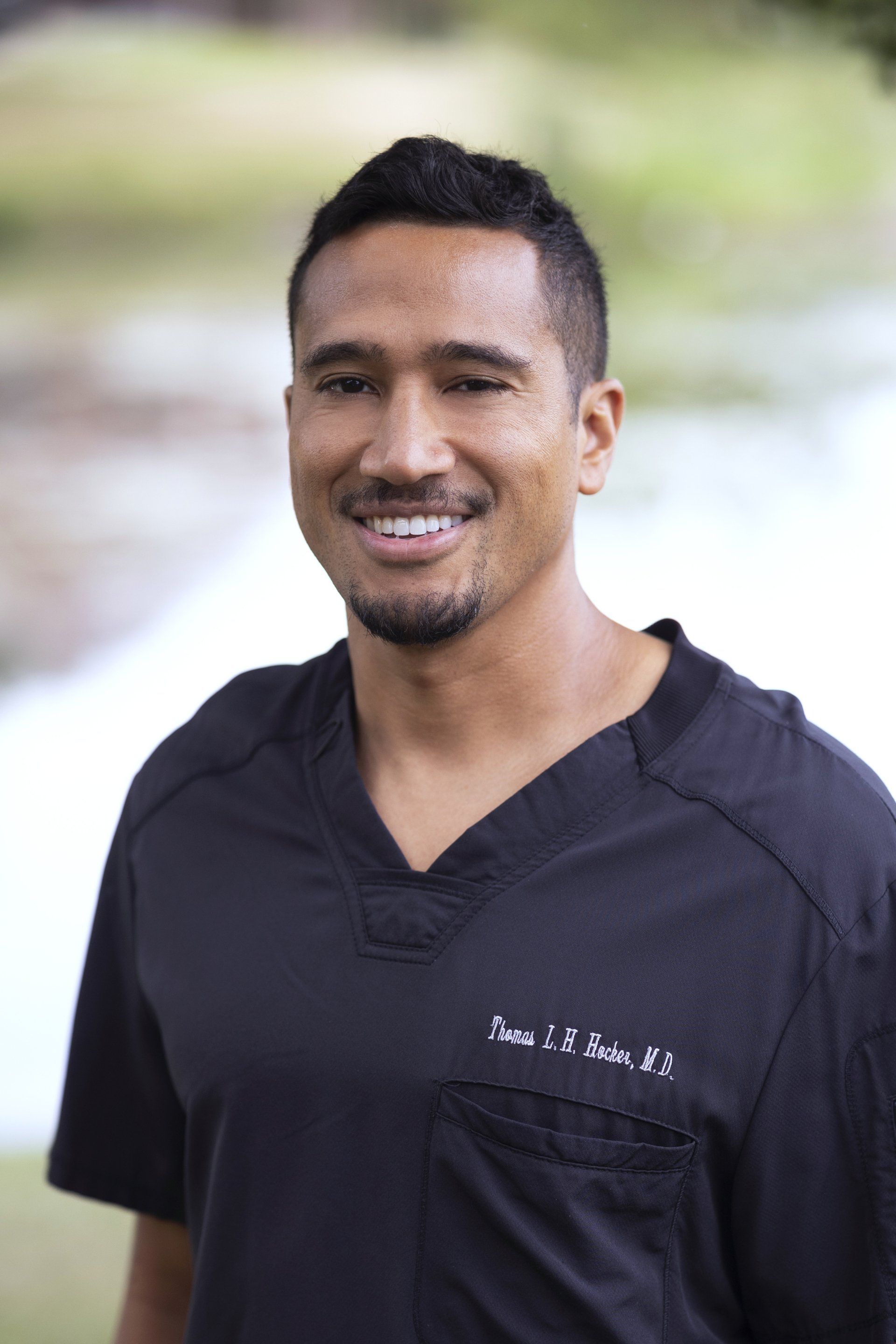
Mayo Clinic in Rochester, Minnesota, under Dr. Clark Otley—one of the world's foremost authorities on transplant dermatology. Mayo has one of the largest transplant dermatology specialty clinics anywhere, caring for an enormous population of organ transplant recipients. That experience permanently changed how I practice medicine.
Last spring, a 58-year-old kidney transplant recipient drove four hours from rural Missouri to see me at Advanced Dermatologic Surgery. He'd had his transplant eleven years earlier. In all that time:
- His nephrologist had checked his creatinine and immunosuppressant levels meticulously
- His primary care doctor monitored his blood pressure and cholesterol religiously
- No one had ever done a full-body skin exam
On his first visit, I found 14 actinic keratoses (precancers), 3 squamous cell carcinomas, and one lesion on his ear that had already invaded deeply—flirting with his lymphatic system. We caught that ear tumor just before it spread to his lymph nodes.
Stories like his are why I do what I do.
My path to becoming a transplant skin cancer specialist has been shaped by a simple conviction: the more I learn, the more good I can do for patients facing difficult diagnoses.
I was blessed to begin my medical journey at Yale, where I studied biology and developed a deep curiosity about how the body works at the molecular level. A Churchill Fellowship gave me the opportunity to study organic chemistry at
Cambridge University in England, which opened my eyes to the broader world of scientific inquiry. At
Harvard Medical School, I had the privilege of conducting melanoma research under
Dr. Hensin Tsao—an experience that taught me how much we still don't understand about skin cancer biology, and how much that knowledge matters for patients.
After medical school, I completed my internship at
Santa Clara Valley Medical Center (Stanford's affiliated county hospital), where I learned to care for underserved populations. I then returned to Mayo Clinic for my dermatology residency—drawn back by the culture of putting patients first. I pursued further subspecialty training with a
dermatopathology fellowship at the University of Michigan, home to one of the world's largest melanoma specialty centers. There, I developed expertise in rare tumors that would later prove invaluable. I then completed a second fellowship back at
Mayo Clinic in Mohs micrographic surgery and facial reconstruction, where I was fortunate to train under
Dr. Clark Otley and the transplant dermatology team. Dr. Otley became a mentor and showed me what truly dedicated care for transplant patients looks like.
Each stop taught me something I couldn't have learned anywhere else. Harvard gave me research depth. Michigan gave me rare tumor expertise. Mayo gave me transplant dermatology and the philosophy that patients deserve unhurried, thoughtful care from physicians who never stop learning.
What drives me now is bringing everything I've learned back to the Kansas City area. At
Advanced Dermatologic Surgery, I work alongside an exceptional team—nurses, medical assistants, and histotechnologists who share my commitment to treating every patient the way we believe they deserve to be treated. We've built something special here: a place where transplant patients from across Kansas, Missouri, Nebraska, and the broader Midwest can receive truly world-class care without traveling to a distant academic medical center.
I'm a member of the
International Transplant Skin Cancer Collaborative (ITSCC), which allows me to stay connected with colleagues worldwide who are equally dedicated to this patient population. I also serve as founding division chief of dermatologic surgery at the
University of Missouri-Kansas City and University Health, where I have the privilege of training the next generation of dermatologists to care for complex patients.
I've been humbled to receive recognition including the
Castle Connolly Top Doctor designation (2024, 2025) and the
Ingram's Top Doctor Award (2025). But honestly, what matters most isn't the awards—it's knowing that the training I've been blessed to receive translates into better outcomes for the patients who trust us with their care.
What the Evidence Says
How Much Does Your Risk Increase?
The numbers are staggering.
A landmark
2011 analysis in JAMA by Engels and colleagues examined the entire U.S. transplant registry and found that solid organ transplant recipients have a65 to 250-fold increased risk of squamous cell carcinoma compared to the general population.
For perspective: smoking increases lung cancer risk by about 15–30 fold. Your post-transplant skin cancer risk dwarfs most other known cancer risk factors in medicine.
A
2017 study inJAMA Dermatologyby Garrett et al. confirmed this in U.S. patients:
Population SCC Incidence (per 100,000 person-years)
General population ~3–5
Transplant recipients ~812
That's more than a 200-fold difference in absolute incidence.
Why Squamous Cell Becomes the Dominant Threat
In people with normal immune systems, basal cell carcinoma (BCC) is far more common than squamous cell carcinoma (SCC)—roughly 4:1.
After transplant, that ratio reverses to 1:2 or 1:3, with SCC dominating.
Population BCC:SCC
Ratio General population 4:1 (BCC more common)
Transplant recipients 1:2 to 1:3 (SCC more common)
This matters enormously because SCC is more likely to metastasize than BCC. Early SCC is highly curable, but advanced SCC can spread to lymph nodes and distant organs—and can be fatal.
Risk by Organ Type
Not all transplants carry equal skin cancer risk. Large registry studies, including Krynitz et al. (2013) in the International Journal of Cancer, demonstrate clear stratification:
Organ Type Approximate SCC Risk vs. General Population
Heart/Lung ~200× increased
Kidney ~120× increased
Liver ~ 30× increased
The difference is driven by immunosuppression intensity. Hearts and lungs are highly immunogenic organs; they demand heavier immunosuppression to prevent rejection, and the skin pays the price.
The "Tumor Burden" Problem
A
2019 meta-analysis in theJournal of the European Academy of Dermatology and Venereologyby Genders et al. found something that surprised even researchers:
The metastatic risk of any
individual SCC in transplant patients is not dramatically higher than in non-transplant patients with the same stage tumor.
So why is skin cancer mortality still higher in transplant recipients?
Volume.
Many transplant patients develop dozens of SCCs over their lifetime. Some of my highest-risk patients at Advanced Dermatologic Surgery develop 10, 20, even 50+ cancers per year. If each tumor carries a 2–4% metastatic risk, having 50 tumors becomes a statistically brutal game.
This "catastrophic carcinogenesis" is why aggressive surveillance is essential.
Why Your Medications Drive Risk
Your anti-rejection drugs aren't generic "immune suppressors"—some have specific effects on your skin:
Medication Mechanism of Skin Cancer Risk
Azathioprine Acts as a photosensitizer; incorporates into DNA and reacts with UVA to
cause specific cancer-promoting mutations
Calcineurin inhibitors (tacrolimus, cyclosporine) Impair UV damage repair; may prevent damaged cells from undergoing
normal programmed cell death
Voriconazole (antifungal) Dramatically increases photosensitivity; linked to aggressive, rapidly
growing SCCs, especially in lung recipients
For transplant patients, sun protection isn't cosmetic advice—it's part of your medical treatment plan.
Guidelines and Real-World Practice
Multiple major guideline bodies recognize transplant recipients as a distinct high-risk population requiring specialized care:
Guideline Body Key Recommendations
NCCN (v1.2025) Flags immunosuppressed patients as "very high-risk"; recommends Mohs surgery
for high-risk SCCs; more frequent surveillance
AAD (2018) Strong recommendation for Mohs or complete margin assessment in
immunocompromised patients
ITSCC/SCOPE (2019) Defines "high-risk" more strictly in transplant recipients; recommends
dermatology screening within 2 years of transplant for high-risk Caucasian
patients
KDIGO (2020) Recommends annual skin exams; suggests considering mTOR inhibitors for
patients with recurrent skin cancer
Yet in real-world practice, many transplant recipients never see a dermatologist at all. Transplant teams focus—understandably—on organ function: rejection, creatinine, ejection fraction. Skin often gets overlooked.
That gap is exactly what my practice at Advanced Dermatologic Surgery works to close.
How We Approach This at Advanced Dermatologic Surgery
My clinic in Overland Park has become a regional referral center for transplant patients across the Midwest. Here's our approach to your care:
Comprehensive Baseline Examination
Your first visit includes a meticulous full-body skin exam with detailed assessment of every suspicious lesion. I document everything with high-resolution photography, creating a baseline map to compare against at future visits.
Risk Stratification and Surveillance Schedule
Not every transplant patient needs the same follow-up schedule. I assess your specific risk based on:
- Organ type and time since transplant
- Immunosuppressive regimen (azathioprine, calcineurin inhibitors, mTOR inhibitors, voriconazole use)
- Skin type, sun exposure history, and prior skin cancers
Based on this assessment, we establish a personalized surveillance plan:
Risk Level Typical Surveillance Interval
Very High Risk Every 3 months
High Risk Every 4–6 months
Moderate Risk Every 6–12 months
Lower Risk Annually
Mohs Surgery for High-Risk Tumors
When you develop a skin cancer—especially on the head, neck, hands, or other critical sites—I treat high-risk tumors with Mohs micrographic surgery.
Why Mohs matters for transplant patients:
Feature Mohs Surgery Standard Excision
Margin examined 100% <1%
Recurrence rate ~3% 8–20%
Tissue removed Minimum necessary Wider margins
Same-day clearance Yes Often days for pathology
For patients who may undergo dozens of surgeries over a lifetime, you cannot afford a "cut-and-guess" approach. At Advanced Dermatologic Surgery, I personally examine every margin, ensuring the cancer is completely removed while preserving as much healthy tissue as possible.
Same-Day Reconstruction
My fellowship training at
Mayo Clinic included advanced facial reconstruction techniques. After Mohs removes your cancer, I reconstruct the wound the same day—using flaps, grafts, or other methods tailored to preserve both function and appearance.
If you're going to need multiple facial surgeries in your lifetime, reconstruction quality and tissue conservation aren't luxuries—they're essentials.
Field Therapy for Precancerous Damage
Many transplant patients have "field cancerization"—entire zones of precancerous change (actinic keratoses) covering the scalp, face, or forearms. At
Advanced Dermatologic Surgery, I use layered strategies including topical 5-fluorouracil and photodynamic therapy to clear these fields and reduce the pipeline of future cancers.
Coordination With Your Transplant Team
When your skin cancer burden becomes severe, I communicate directly with your transplant nephrologist, cardiologist, or pulmonologist to discuss whether medication changes—such as switching to an mTOR inhibitor like sirolimus—could safely reduce your cancer risk without endangering your graft.
These decisions are complex and individualized, but they can be lifesaving for patients with catastrophic carcinogenesis.
What About Prevention?
Strategies That Have Demonstrated Benefit
Acitretin (Systemic Retinoid)
Randomized trials in transplant recipients, including the landmark 1995 study by Bavinck et al. in the Journal of Clinical Oncology, demonstrate approximately 50% reduction in new SCCs while on therapy.
Limitations:
- Benefit disappears quickly after stopping
- Side effects: dry skin/lips, elevated lipids, liver enzyme changes
- Teratogenic (cannot be used in pregnancy)
Switching to mTOR Inhibitors (Sirolimus/Everolimus)
The
TUMORAPA trial (Euvrard et al., 2012, New England Journal of Medicine) showed approximately 50% reduction in new skin cancers when kidney transplant patients switched to sirolimus.
However, meta-analyses suggest trade-offs including higher cardiovascular events in some patients. This decision must be made carefully with your transplant team, typically reserved for patients with severe, recurring skin cancer burdens.
Rigorous Photoprotection
For transplant patients, sun protection is essential:
- Broad-spectrum sunscreen (SPF 30+) every day, year-round
- Wide-brimmed hats and UV-protective clothing
- Avoiding peak sun hours (10am–4pm)
Think of this as daily medication for your skin, not an optional accessory.
Strategies That Have Not Shown Benefit in Transplant Patients
Nicotinamide (Vitamin B3)
In the general population, nicotinamide reduced new skin cancers by approximately 23% in one Australian trial. However, the
Phase 3 ONTRAC trial (Allen et al., 2023, New England Journal of Medicine)—conducted specifically in transplant recipients—found
no significant reduction in new skin cancers compared with placebo.
This is critical information. Many transplant patients take nicotinamide based on outdated recommendations. Current high-quality evidence does not support nicotinamide for skin cancer prevention in solid organ transplant recipients. If you're taking it only for this purpose, discuss discontinuation with your physicians.
What You Should Do Next
- Find a dermatologist with transplant expertise.
Ask: "How many organ transplant patients do you care for? Are you familiar with
ITSCC guidelines? Do you use Mohs surgery for high-risk tumors?" If you're in the Midwest, my team at Advanced Dermatologic Surgery specializes in exactly this population. - Schedule a comprehensive skin exam.
If you're more than a year post-transplant and haven't had a full-body skin exam, you're overdue. - Establish your surveillance schedule.
Based on your risk factors, your dermatologist should recommend specific intervals—typically every 3–6 months for high-risk patients. - Learn self-examination
Monthly self-checks help catch changes early. Any new, growing, bleeding, or non-healing spot deserves prompt attention. - Communicate with your transplant team.
Ensure they know you're receiving dermatologic surveillance and ask whether any medication adjustments might lower your skin cancer risk. - Treat sun protection as medical therapy.
Sunscreen, hats, protective clothing—every day, automatically.
Frequently Asked Questions